Source Clamp in Copper Tire Valve for Bus, Car, and Truck
Compare 26 listings for the clamp in copper tire valve suitable for bus, car, and truck applications. Buyers can review specifications including straight or 27-degree angles, ISO and CE certifications, and MOQ options ranging from 1 to 60,000 units.
Key considerations
Products List


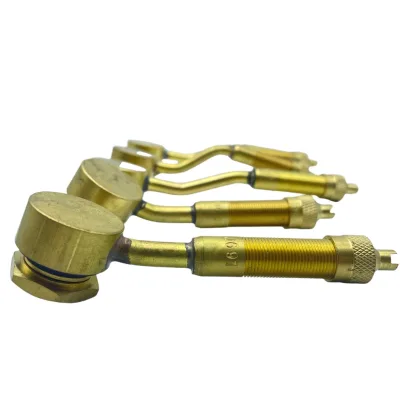
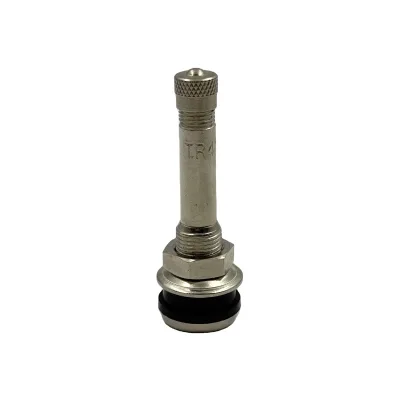


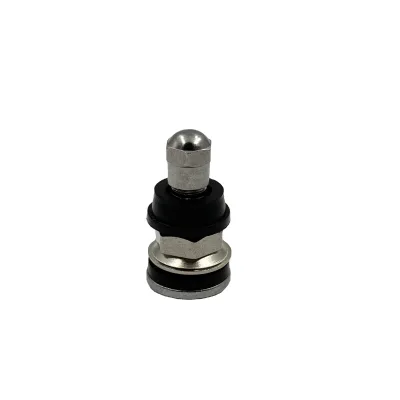
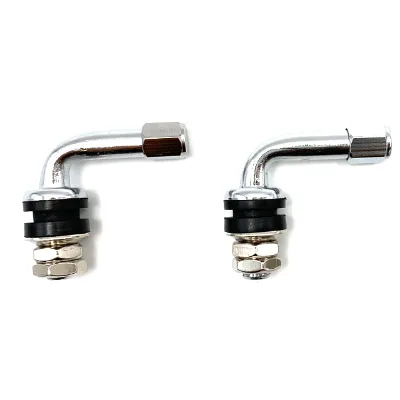
Comprehensive Sourcing Guide
Strategic Sourcing Guide for Clamp-In Copper Tire Valves
Understanding Product Architecture and Technical Specifications
The core keyword "clamp-in copper tire valve" identifies a specific category of pneumatic components designed for heavy-duty and commercial vehicle applications. Based on the available product data, these valves are engineered primarily for bus, truck, and car applications, with a distinct focus on tubeless tire systems. The fundamental construction material is copper, which offers superior thermal conductivity and resistance to corrosion compared to alternative metals like aluminum or brass, although some listings also reference aluminum or zinc alloy cores for specific valve stem components. The primary installation method is "clamp-in," a design that secures the valve to the wheel rim via a threaded nut mechanism rather than a snap-in or snap-on fitment, providing a more robust seal for high-pressure commercial tires.
Technical observations indicate that these valves come in various configurations to meet diverse operational needs. The angle of the valve stem is a critical specification, with standard offerings including straight configurations and 27-degree angles, though customization is available upon request to accommodate specific wheel designs. The valve cap types vary between plastic and copper, allowing buyers to select based on aesthetic preferences or environmental durability requirements. Furthermore, the valve shapes are observed to be either round or hexagram, which may influence the torque required for installation and the ease of grip during maintenance. The seal ring color is typically noted as red and black, serving as a visual indicator of the sealing material integrity. The product model designations, such as V3.20.4 and TR43E, suggest a standardized nomenclature system used by manufacturers to differentiate between specific thread pitches, lengths, and pressure ratings.
Compliance Framework and Certification Verification
In the B2B procurement of automotive safety components, verifying compliance with international standards is non-negotiable. The supplied product facts highlight a robust certification profile, with ISO, CE, GS, and RoHS appearing as standard compliance markers for these copper tire valves. These certifications indicate that the manufacturing process adheres to quality management systems (ISO), European safety directives (CE), German safety standards (GS), and restrictions on hazardous substances (RoHS). However, buyers must treat these certifications as observed attributes of specific listings rather than universal guarantees for every unit in the market. It is essential to request valid, current certification documents directly from the supplier to ensure that the specific batch of valves being purchased meets the regulatory requirements of the destination market.
The standard product specifications often reference "Standard" compliance, but the exact numerical values for pressure ratings or temperature tolerances are not explicitly defined in the general product data. Therefore, procurement teams must verify the specific standard codes (e.g., ISO 4000 series or SAE J standards) applicable to the valve model. The presence of a "100% Leaking Test" in the quality test attributes suggests a rigorous internal quality control process, yet buyers should confirm the methodology and acceptance criteria of this test. Additionally, the origin of the products is identified as China Mainland, with specific mentions of Zhejiang as a production hub. While this location is a known manufacturing center for automotive hardware, it necessitates a thorough due diligence process regarding the supplier's ability to maintain consistent quality control across large production runs.
Cost Drivers and Pricing Structure Analysis
The pricing landscape for clamp-in copper tire valves is characterized by significant variability, with observed listed prices ranging from $0.01 to $3,500. This wide range reflects the difference between single-unit samples, bulk commodity orders, and potentially complete packaging or specialized custom configurations. The Minimum Order Quantity (MOQ) also presents a substantial variation, observed between 1 and 60,000 units. A standard MOQ of 1,000 units is frequently cited, which aligns with typical industrial packaging constraints where valves are sold in bags of 50 or 100 pieces, packed into cartons.
Several factors drive the cost structure of these valves. The primary material cost is influenced by the market price of copper, which is a volatile commodity. The complexity of the manufacturing process, including the precision required for the clamp-in mechanism and the sealing ring integration, also impacts the unit price. Customization options, such as specific angles (27 degrees vs. straight), unique valve cap materials, or specialized branding, will invariably increase the cost per unit. Furthermore, the packaging specifications, such as the carton size of 3026.515cm and the packing density of 50 pieces per bag, affect logistics costs. Buyers should be aware that the "Selling Units" are often listed as single items in catalog descriptions, but actual transactions are typically conducted in bulk cartons to optimize shipping efficiency.
Typical Applications and Vehicle Fitment
The application scope for clamp-in copper tire valves is predominantly centered on heavy-duty transport and commercial fleets. The product attributes explicitly list "Bus," "Car," and "Truck" as primary usage categories, with a specific emphasis on "Truck and Bus" applications. This suggests that these valves are engineered to withstand the higher pressures and more demanding operating conditions associated with commercial vehicles compared to standard passenger car tires. The "Tubeless Tire Valve" designation confirms their suitability for modern tubeless tire systems, which are the industry standard for buses and trucks due to their safety and maintenance advantages.
While the primary fitment is for trucks and buses, the data also indicates compatibility with motorcycles and electric bicycles, highlighting the versatility of the design. The "Tire Gauges Type" and "Tire Gauges Carry Way" attributes suggest that these valves are often integrated into systems where tire pressure monitoring is critical. The "Inner Tube" mention in some attributes may refer to the internal structure or a specific variant, but the dominant feature remains the clamp-in design for tubeless applications. Buyers sourcing these valves for fleet maintenance should prioritize models that explicitly state "Truck and Bus" fitment to ensure the valve stem length and thread pitch match the wheel rim specifications of their vehicles.
Supplier Evaluation and Trade Terms
When evaluating potential suppliers for clamp-in copper tire valves, buyers must look beyond the basic product listing to assess the supplier's operational capabilities. The trade terms observed include FOB (Free on Board), CIF (Cost, Insurance, and Freight), and CFR (Cost and Freight), indicating that suppliers are equipped to handle international logistics. However, the specific lead times and production capacity are not provided in the general data, necessitating direct inquiry to understand the timeline for large orders. The "Condition" is consistently listed as "New," which is a baseline expectation, but buyers should verify the supplier's inventory management practices to ensure that "New" stock is not overstocked or aged.
Supplier evaluation should also consider the packaging and shipping protocols. The standard packaging involves 50 pieces per bag and 10 bags per carton, resulting in a carton size of 3026.515cm. Some suppliers offer "Neutral Packing" or "Nature Package," which can be advantageous for buyers who wish to apply their own branding or for cost-sensitive shipments. The "Brand Name" KAISHENG is observed in the data, but buyers should not limit their search to a single brand. Instead, they should verify the supplier's ability to provide "Customized" specifications, as the product attributes confirm that customization is available for angles and other features. The presence of a "Quality Test" attribute mentioning 100% leaking tests is a positive indicator, but buyers should request third-party test reports to validate these claims.
Quality Control and Long-Term Procurement Strategy
Ensuring the long-term reliability of clamp-in copper tire valves requires a proactive quality control strategy. The observed "100% Leaking Test" is a critical quality checkpoint, but it should be supplemented with independent verification. Buyers should establish clear acceptance criteria for the seal ring integrity, valve core material (copper or zinc alloy), and the durability of the clamp-in mechanism. The material composition is a key factor; while copper is the primary material, the presence of aluminum or brass in some listings suggests a need to verify the exact alloy composition to prevent galvanic corrosion when installed on specific wheel types.
For long-term procurement, consistency in supply chain performance is paramount. The wide range of MOQs (1 to 60,000) offers flexibility, but buyers should aim to establish a recurring order volume that balances inventory costs with supply security. The standard packaging of 500 pieces per carton (50 pcs/bag * 10 bags) provides a logical unit for inventory management. Buyers should also consider the "Other Specification" codes (e.g., V3.20.6, V3.22.1) as potential indicators of future product iterations or specialized variants. By maintaining a close relationship with suppliers who offer customization and adhering to strict certification verification, buyers can mitigate the risks associated with component failure and ensure the safety and efficiency of their vehicle fleets.
Comparative Analysis of Valve Configurations
To facilitate informed decision-making, the following table summarizes the key configuration options observed in the market for clamp-in copper tire valves. This comparison highlights the variability in specifications that buyers must navigate during the sourcing process.
| Feature Category | Standard Configuration | Custom/Alternative Options |
|---|---|---|
| Material | Copper | Aluminum, Brass, Zinc Alloy (Core) |
| Installation Type | Clamp-in | Customized Fitment |
| Valve Angle | Straight, 27 Degrees | Customized as Request |
| Valve Cap | Plastic, Copper | Color/Design Specific |
| Seal Ring | Red and Black | Color/Material Specific |
| Valve Shape | Round, Hexagram | Custom Shapes |
| Certification | ISO, CE, GS, RoHS | Market-Specific Standards |
| Packaging | 50pcs/Bag, 10bags/Carton | Neutral, Custom Branding |
| Target Vehicle | Truck, Bus, Car | Motorcycle, Electric Bicycle |
| MOQ | 1,000 Units | 1 to 60,000 Units |
This table underscores the importance of precise specification matching. While the standard configurations cover the majority of commercial vehicle needs, the availability of customization allows for tailored solutions in niche applications. Buyers should use this framework to validate supplier offerings against their specific operational requirements, ensuring that the selected valves meet both performance and regulatory standards.
FAQs
What installation method do these valves use?
These valves use a clamp-in installation method to secure them to the wheel rim. This design provides a robust seal suitable for high-pressure commercial tires on buses and trucks.
Which materials are used for the valve body?
The primary material for the valve body is copper, offering superior thermal conductivity. Some listings also specify aluminum or brass for specific components like the valve core.
Can the valve angle be customized for specific wheels?
Yes, the valve angle is available in straight or 27-degree configurations and can be customized as requested. This flexibility allows the valve to fit various wheel rim designs effectively.
What certifications do these tire valves typically hold?
These valves typically hold ISO, CE, GS, and RoHS certifications to ensure safety and compliance. Buyers should verify current documents for specific batches to meet destination market regulations.
What is the standard minimum order quantity for these valves?
The standard minimum order quantity is 1,000 units, though ranges from 1 to 60,000 are observed. Bulk orders often utilize packaging of 50 pieces per bag and 10 bags per carton.
Which vehicle types are these valves designed for?
These valves are primarily designed for trucks, buses, and cars with tubeless tire systems. They are also noted for use on motorcycles and electric bicycles in specific configurations.